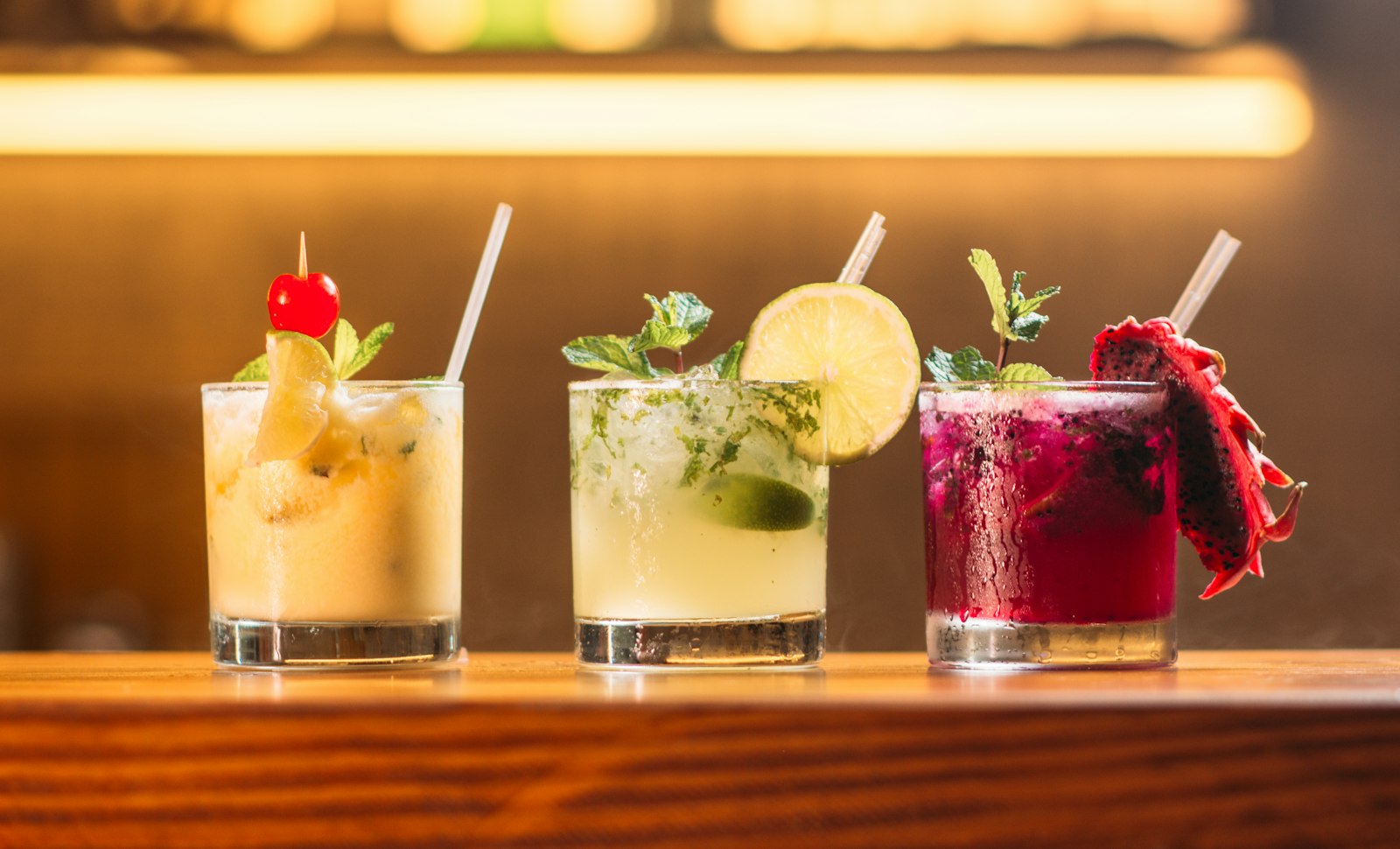
One of the most persistent misconceptions in social drinking culture is that different forms of alcoholic beverages exert unique intoxicating powers. Many people assume hard liquor carries an inherently more severe physiological impact than craft beer, or that table wine produces a milder, slower rise in Blood Alcohol Concentration (BAC).
From the standpoint of clinical pharmacokinetics, your body does not differentiate between the ethyl alcohol (C2H5OH) molecules found in small-batch bourbon, German pilsner, or French pinot noir. Once ethanol passes through the gastric lining into circulating blood, its physiological impact is determined strictly by the absolute mass of pure alcohol consumed, your total body water volume, and metabolic clearance velocity.
However, serving size discrepancies, modern high-ABV craft brewing, carbonation dynamics, and restaurant pouring practices create massive practical differences in real-life blood alcohol accumulation. Whether you are using our blood alcohol content bac calculator beer wine & liquor or converting beverage volumes in our standard drink calculator, this guide provides the exact scientific formulas behind beer vs wine vs liquor bac, outlines official standard drink alcohol content, explains how many beers equal a glass of wine, and details critical abv differences beer wine liquor.
1. Pure Ethanol Mathematics: How a Standard Drink Is Defined
In clinical medicine and public health policy, comparisons across beverage categories require an absolute standard. In the United States, the National Institute on Alcohol Abuse and Alcoholism (NIAAA) and the Centers for Disease Control (CDC) define one standard drink as containing exactly 14.0 grams (0.6 fluid ounces or 17.7 mL) of pure ethyl alcohol.
Absolute Ethanol (g) = Serving Volume (mL) × [ABV (%) ÷ 100] × 0.789 g/mL(0.789 g/mL represents the physical density of liquid ethanol at room temperature)
Applying this biochemical formula reveals that each of the following classic baseline servings delivers exactly 14 grams of pure ethanol:
Standard Beer
12.0 fluid ounces (355 mL) of regular domestic lager at 5.0% ABV = 14.0 grams pure ethanol.
Standard Table Wine
5.0 fluid ounces (148 mL) of standard table wine at 12.0% ABV = 14.0 grams pure ethanol.
Standard Distilled Spirits
1.5 fluid ounces (44 mL) of 80-proof spirits (whiskey, vodka, tequila) at 40.0% ABV = 14.0 grams pure ethanol.
2. Side-by-Side Comparison: Real-World Commercial Servings
While standard drinks establish laboratory equivalence, real-world retail containers and bar pours deviate significantly. The table below details how popular commercial beverages compare:
| Beverage Category | Common Serving Size | Typical ABV (%) | Pure Alcohol Mass | Standard Drink Equivalent |
|---|---|---|---|---|
| Light Domestic Beer | 12 oz can (355 mL) | 4.2% ABV | 11.8 grams | 0.84 Drinks |
| Standard Craft Lager | 12 oz bottle (355 mL) | 5.0% ABV | 14.0 grams | 1.00 Drink (Baseline) |
| Imperial / Double IPA | 16 oz pint can (473 mL) | 8.5% ABV | 31.7 grams | 2.26 Drinks |
| Standard Table Wine | 5 oz pour (148 mL) | 12.0% ABV | 14.0 grams | 1.00 Drink (Baseline) |
| Restaurant Generous Wine Pour | 8 oz large goblet (237 mL) | 14.5% ABV | 27.1 grams | 1.94 Drinks |
| 80-Proof Distilled Spirits | 1.5 oz jigger shot (44 mL) | 40.0% ABV | 14.0 grams | 1.00 Drink (Baseline) |
| Multi-Liquor Cocktail (e.g., Long Island) | 10 oz highball (300 mL) | 22.0% ABV | 35.2 grams | 2.51 Drinks |
3. How Many Beers Equal a Glass of Wine? The Pour Discrepancy
When clients ask how many beers equal a glass of wine, the theoretical answer is exactly 1 to 1 (one 5 oz glass of 12% wine matches one 12 oz can of 5% beer).
However, in everyday practice:
- The Restaurant Glass Reality: Most commercial wine bars pour 6 oz to 8 oz rather than the clinical 5 oz standard. An 8 oz pour of a high-alcohol Zinfandel (15.0% ABV) delivers 28.4 grams of pure alcohol—the equivalent of over two full cans of standard 5% beer.
- The High-Gravity Beer Paradox: Conversely, drinking a single 16 oz craft Belgian Tripel or Hazy Double IPA (9.0% ABV) delivers 33.6 grams of ethanol, which equates to 2.4 standard glasses of wine in a single beverage container.
4. Why Liquor Can Hit Faster: Gastric Absorption Kinetics
Even when total alcohol grams are held constant, distilled liquor often produces a faster onset of intoxication than beer due to two physiological factors:
- Liquid Volume Dilution: To ingest 14 grams of alcohol via light beer, your stomach must process 355 mL (12 ounces) of water, residual carbs, and dissolved minerals. To ingest the same alcohol via straight spirits requires swallowing only 44 mL (1.5 ounces). The smaller fluid volume empties through the stomach with minimal dilution, presenting higher initial concentration gradients.
- The Carbonation Accelerator: Carbonated alcoholic beverages (beer, champagne, seltzers, liquor with sparkling soda) stimulate gastric motility. The pressure of carbon dioxide forces the pyloric sphincter valve open, dumping ethanol rapidly into the small intestine where the vast mucosal vascular bed absorbs alcohol with peak efficiency.
Calculate Your Total Alcohol Units in Seconds
Have you enjoyed a mix of craft beers, glasses of wine, and cocktails? Convert your exact session volumes into standardized units and track your estimated BAC: